
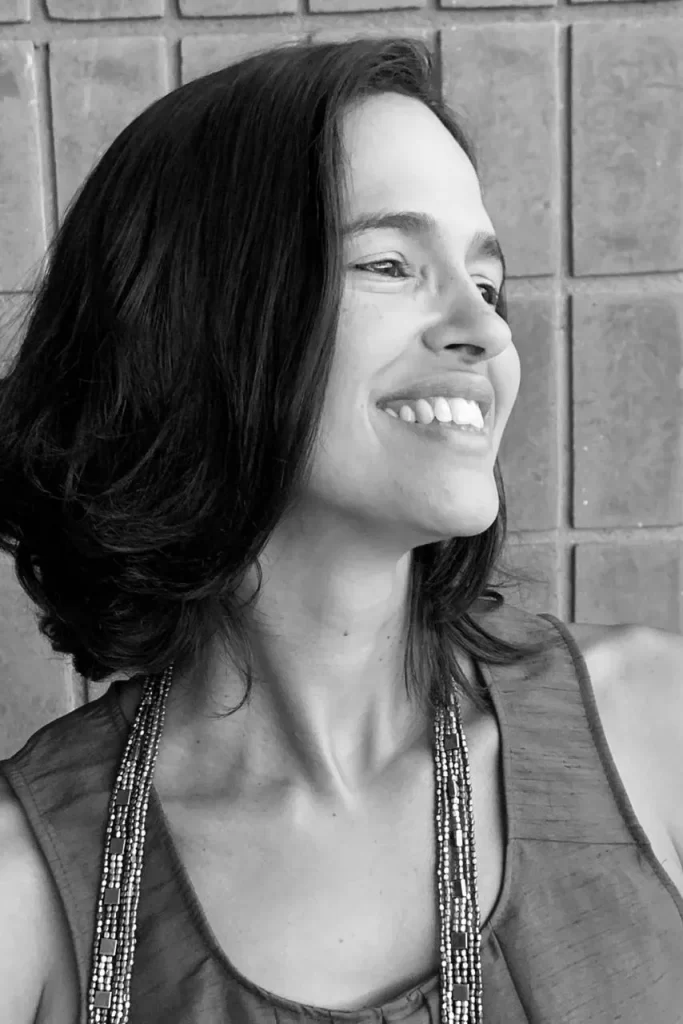
Ana Louback
Architect and urban planner, with a bachelor's and master's degree in urban management from FAU-USP (2003; 2011), and a cultural manager, specialized in the CPF SESC-SP (2014). She worked for years in the field of urban and housing planning, with particular expertise in developing sectoral plans and urbanization projects for precarious areas. She was a researcher at the Housing and Human Settlements Laboratory (LabHab FAU-USP) and at the "Globalization, Urban Form and Governance" center at TUDelft (Netherlands). Based on her experience with the City of Nova Iguaçu (RJ), focused on the perspective of "educating cities," she became involved in projects integrating cities, culture, and education. Over the past 10 years, she has dedicated herself to the field of cultural policies, working with public administration and third-sector institutions, with a particular focus on the implementation and coordination of networks of cultural facilities. She was a consultant for the UNESCO/MinC Agreement to develop the "Sectoral Plan for Architecture and Urbanism" within the scope of the National Creative Economy Plan. She was also a project manager at Riofilme (RJ), where she coordinated the implementation of the Cinecarioca Cinema Network. She was also the operational policy manager at Spcine (SP), where she was responsible for implementing the Spcine Cinema Circuit, a network of 20 public cinemas in the outskirts of São Paulo. She is currently a PhD candidate in Sociology in the Cities and Urban Cultures program at CES/UCoimbra, researching the relationships between urban dynamics and lateralized cultural spaces.
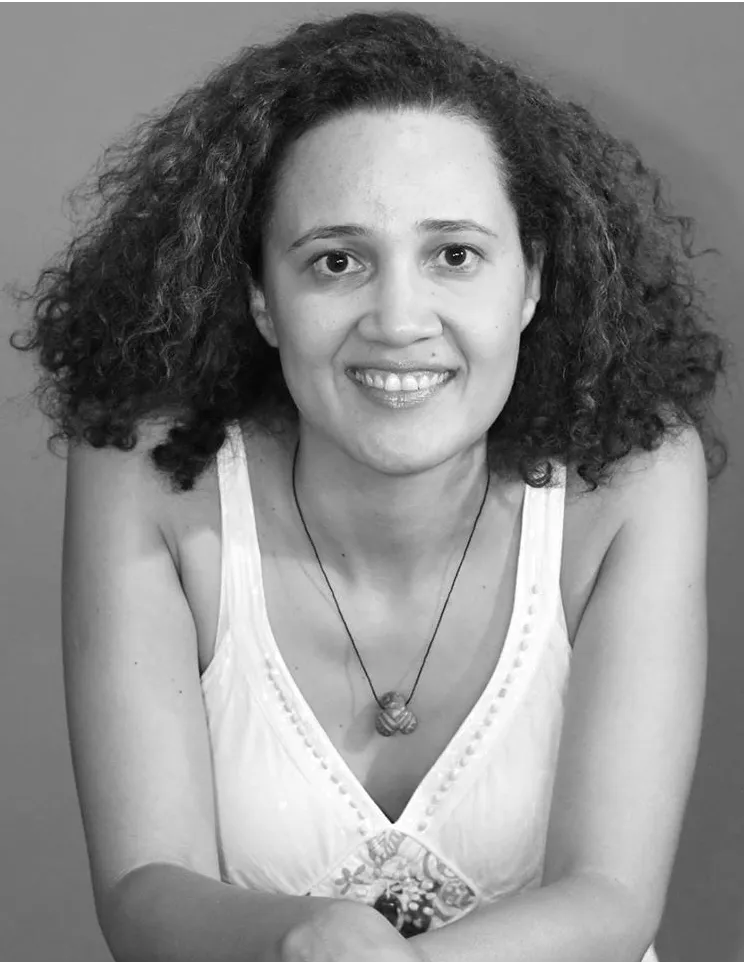
Carol Farias
Urban Architect with a professional and academic background between Brazil and Portugal. In Brazil, she graduated in 2005 from UEG, specialized in Sustainable Environmental Rehabilitation, Architectural and Urban Planning at UnB (2014), and completed a master's degree in Design and the City at UFG (2018), with a dissertation on Tactical Urbanism. She worked in design offices for various architectural typologies, with an emphasis on housing. As an analyst architect at Caixa Econômica Federal, she worked monitoring projects and public works and providing technical assistance to public institutions and social movements. She co-founded Sobreurbana, estúdio de microurbanismo colaborativo sediado em Goiânia/BR, onde realiza microintervenções urbanas, produção cultural e projetos de pedagogia urbana, com destaque para o Casa Fora de Casa. Em Portugal, tem atuado nas questões da participação cidadã e processos colaborativos em diversas cidades. Concluiu doutoramento em Arquitetura dos Territórios Metropolitanos Contemporâneos, na especialidade em Arquitetura Digital, pelo Iscte-Instituto Universitário de Lisboa, com tese sobre codesign de tecnopolíticas para o desenvolvimento local. Atualmente é investigadora integrada no Dinâmia’CET / Iscte-IUL, membro da equipa do projeto de investigação “Care(4)Housing – A care through design approach to address housing precarity in Portugal”. Integra as redes BRCidades e Urbanismo Colaborativo, no Brasil, e o Coletivo Andorinha e a associação Mulheres na Arquitetura, em Portugal.
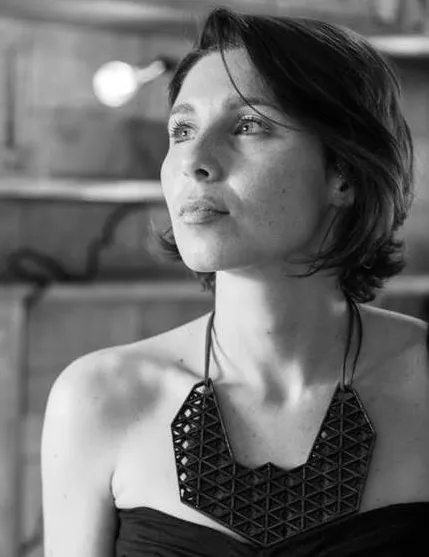
Carolina Cardoso
Arquiteta urbanista e investigadora, com percurso profissional e académico entre Portugal e o Brasil atuando em campos como o ativismo urbano, a cultura livre, processos e ferramentas de participação e design aberto. É mestre pela Faculdade de Arquitetura da Universidade de Lisboa com intercâmbio na Universidade Presbiteriana Mackenzie (2009) em São Paulo. No Brasil, foi diretora executiva do Garagem Fab Lab Associação (2015-2018), um espaço de criatividade coletiva focado na democratização da tecnologia. Criou e leccionou disciplinas relacionadas aos temas de Fabricação Digital, Cultura Maker, Design Aberto, Economia de Compartilhamento e Cultura Colaborativa nos cursos de graduação de Design do Istituto Europeo di Design – São Paulo, Brasil (2016-2018). Colaborou no processo de desenvolvimento metodológico dos laboratórios Favlab Maré (2020) da favela da Maré, no Rio de Janeiro e LabTec – laboratório de tecnologias cidadãs (2020) da favela do bairro Jardim Nakamura, São Paulo. Em Portugal, tem atuado no âmbito da produção de metodologias colaborativas e implementação de laboratórios cidadãos como infraestruturas do comum, tendo implementado o LABICBV – laboratório de inovação comunitária do Barreiro Velho, na sua cidade natal, o Barreiro. Atualmente é investigadora do ISTAR / ISCTE-IUL onde desenvolve o seu doutoramento em Arquitectura dos Territórios Metropolitanos Contemporâneos, com o tema de tese “Cidade como laboratório vivo de inovação cidadã”. É também investigadora do cE3c – Centre for Ecology, Evolution and Environmental da Faculdade de Ciências de Lisboa onde coordena o Living Lab Torres Vedras no âmbito do projeto LIFT – Agroecological food system Living Labs for Farm and Landscape Transformation.
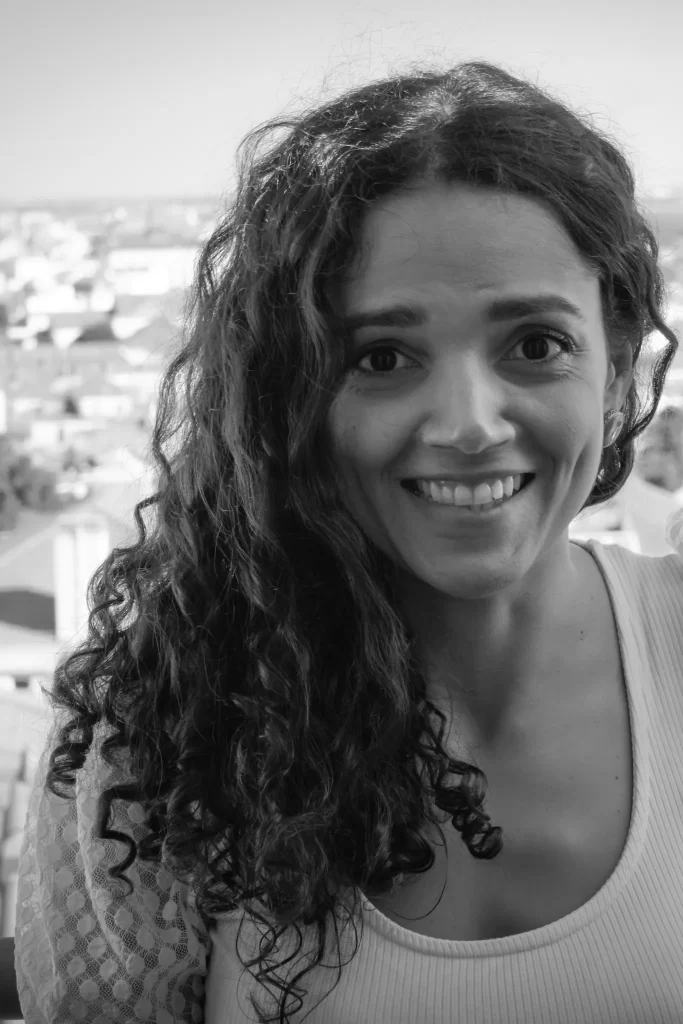
Gabriela Antunes
She holds a degree in urban architecture from Mackenzie Presbyterian University (2009) in São Paulo, Brazil, and a master's degree in collective housing and urban development from the Polytechnic University of Catalonia (2012) in Barcelona, Spain. She is passionate about public spaces and their catalytic power to transform the urban landscape and the communities that benefit from them. Her professional experience spans both fields, including working as a building architect in various offices in São Paulo, focusing on public facilities and residential buildings, and as an urban planner for Arup in both São Paulo and New York, USA, with projects in several countries focusing on strategic planning, urban design, urban resilience strategies, and community participation. Her involvement in projects includes the São Caetano do Sul Teacher Training Center, Brazil; Vitória International Airport, Brazil; the Barranquilla Public Spaces Master Plan, Colombia; the Foz do Iguaçu Strategic Urban Plan, Brazil; the Panama Tourism Development Plan, Panama; the Chicago Central Railway Station Redevelopment, USA; and she is part of the strategic partner team for the 100 Resilient Cities Program for several Latin American cities. She is a full member of the Portuguese Order of Architects.
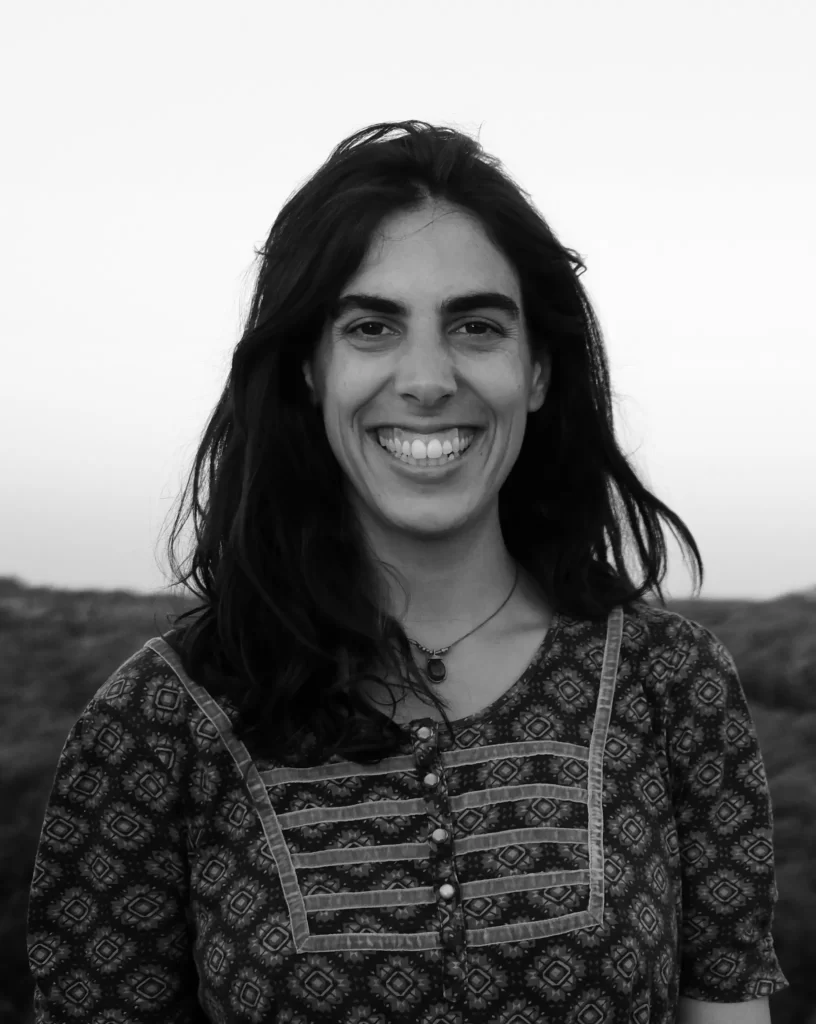
Inês Maria Fernandes
Inês Fernandes was born in Coimbra in 1989, graduated in Architecture from the Instituto Superior Técnico in Lisbon, finishing her last year in São Paulo, Brazil, where she did a postgraduate degree in Pedagogy of Cooperation and Collaborative Methodologies. She also has a degree in Materials and Illustration Techniques from the Faculty of Fine Arts of the University of Porto. She lived for 6 years in Brazil where she collaborated and developed several social projects, facilitating the realization of community dreams, cooperative games and urban interventions. In São Paulo, she co-founded two social enterprises (Acupuntura Urbana and Movimento 90º) and two collaborative spaces (Casa de Trocas and Fazedoria). She was and is a volunteer in different organizations that work with disadvantaged populations, community life and spirituality. She facilitates group and community processes. She carries out activities with children in nature in conjunction with schools and educational projects in the north of the country. She is a co-author and illustrator of books and teaching materials, participating in different author editions for adults and children, with emphasis on the book "Somos", and the deck of cards "Sabedoria de Criança". She is currently a member of the Movimento 180º team, developing exhibitions, games and creative projects for children and adults in the areas of tourism, education and the environment. She has been collaborating with the AGRUPA facilitation team since 2022 in the north of Portugal.
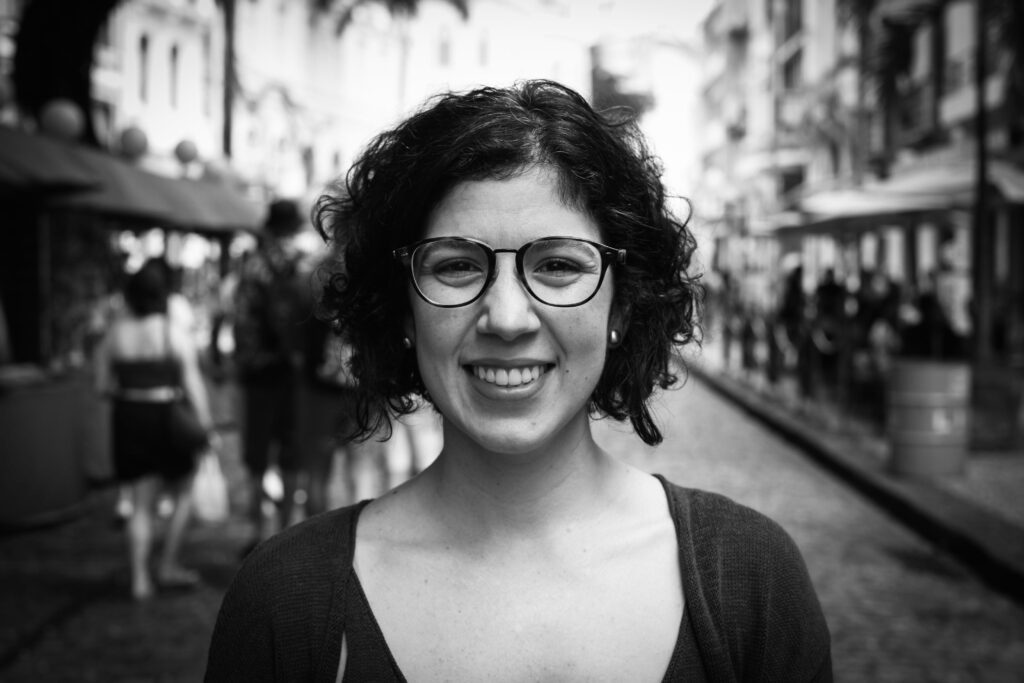
Laura Cortizo
Laura Cortizo holds a degree in Social Communication/Journalism from the Federal University of Pernambuco (UFPE, 2011), and a master's degree from the same institution (UFPE, 2019). Based on her master's project focused on citizen participation in urban planning projects, as well as experience providing communications consultancy for related initiatives, she has delved deeper into topics such as collaborative governance, stakeholder networks, and civic engagement. She is currently based in Portugal, where she is pursuing a PhD in Public Policy at the University of Aveiro and is a member of the Governance, Competitiveness, and Public Policy Research Unit (GOVCOPP). She also collaborates with the Laboratory of Planning and Public Policy (L3P) on citizen participation projects in several Portuguese municipalities (Porto, Matosinhos, and Ílhavo). He also has professional and academic experience in other projects related to this topic: organizing the Seminar Network of Centers for Studies in Sustainable Urban Development in Latin America and the Caribbean (Redeus_LAC); providing communications consultancy to the Council of Architecture and Urbanism of Pernambuco (CAU/PE) and the Capibaribe Park/Inciti/UFPE; and researching the Recife 500 Years collection (UFPE/CEPE). He also has experience producing online and print content (text, videos, and photos), editorial production, and providing consulting and communications services in various sectors.
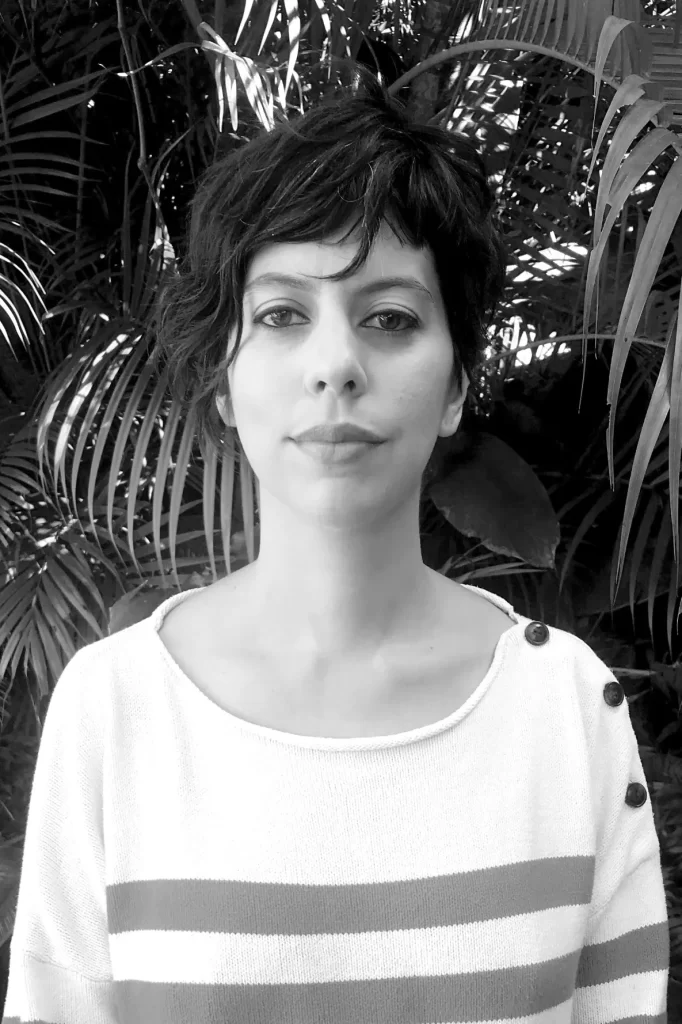
Laura Sobral
Urban architect Laura Sobral graduated and holds a master's degree from the University of São Paulo, with an exchange program at the Polytechnic University of Madrid. Since 2007, she has studied and implemented urban interventions and temporary architecture to activate public spaces. In January 2014, she launched A Batata Precisa de Você (The Batata Needs You), a movement to regularly occupy Largo da Batata [São Paulo, SP]. Using tactical urbanism, she highlights the square's potential for occupation, prototyping street furniture, and promoting cultural and leisure activities to collectively devise alternatives for urban development with the active participation of its citizens. She is a co-founder of the Instituto A Cidade Precisa de Você (The City Needs You Institute), which focuses on activating and improving urban public spaces and fostering collaboration among the various stakeholders within the city. As a fellow of the German Chancellor Fellowship for Tomorrow's Leaders – Alexander von Humboldt Foundation, she developed a project in Berlin, Germany, on urban instruments for the shared management of public spaces. This resulted in her book *Doing it Together – Cooperation Tools for the City Co-Governance* (ZKU Press, 2019), and in Portuguese *Fazer Juntos – Instrumentos de Cooperação para Cidades Co-Creadas* (A Cidade Press, 2021). She is currently based in Portugal pursuing her doctorate on public policies that support local associations in the development of public spaces, co-supervised by the TU Wien.
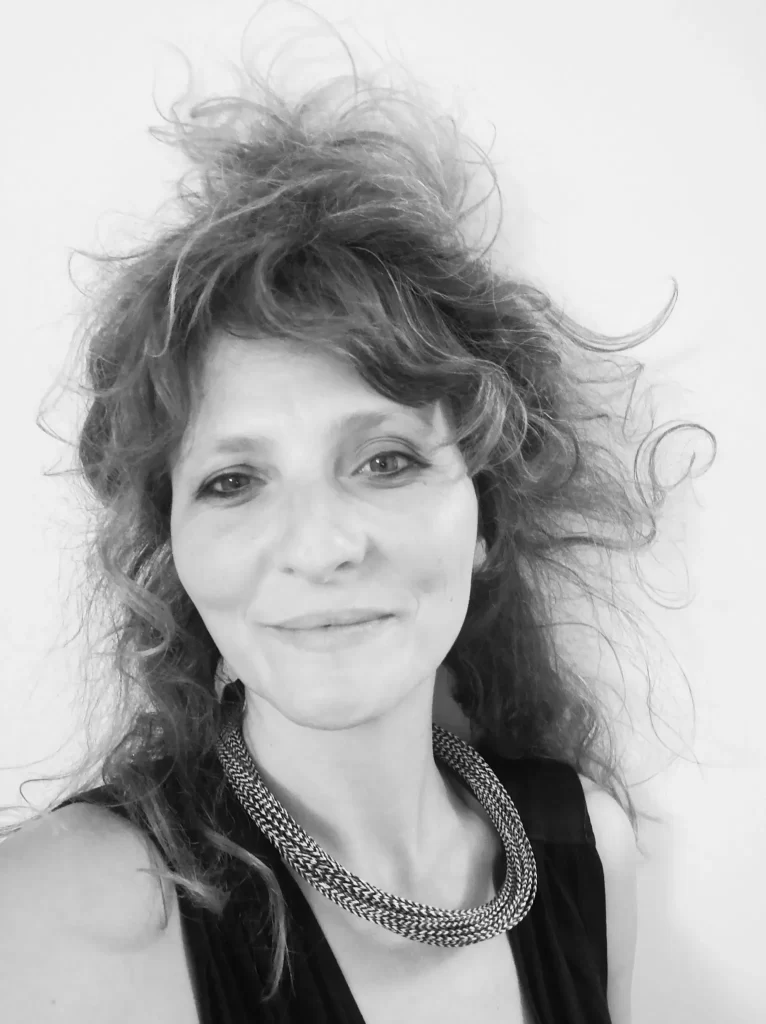
Leticia do Carmo
Architect, researcher, illustrator, and sociocultural mediator. She graduated in Architecture (IST Lisbon, FZA Ljubljana, 2008) and received her PhD from the Urban Sociology Laboratory (LaSUr, EDAR, EPFL, Lausanne 2016), with a dissertation entitled “Resistance & Compromise – Spatial & Aesthetic Approaches of Alternative Cultural Spaces in Lisbon, Ljubljana & Geneva”. Her research and action work revolves around current urban and cultural transformations and dynamics, particularly issues related to resistance and commitment in spatial practices, informal architectures, visual aesthetics, alternative culture, education, and ecology. She is a researcher on the SeaLabHaus/Fishing Architecture project at CEAU-FAUP, was a scientific collaborator on the “Creative Cities and Counter-Cultures” project (2013-2020, Lasur/EDAR/EPFL), and is a teaching assistant for several courses of the Master's in Architecture (EPFL). Develops and participates in socio-cultural projects with the Colectivo Trilhos (founder), A-Grupa, Ensaios e Diálogos Associação, Lisbon Architecture Triennale and Ville en Tête association. She is a guide for architecture and urban planning exhibitions and tours (accessible to blind people), and an illustrator involved in scientific projects related to architecture and sociology (portfolio). She is the author of the tactile book « A Casa é uma Montanha é um Chapéu » (2024), written in braille, illustrated and in relief (finalist for the New European Bauhaus 2023 awards). She has worked in several architecture studios in Switzerland and Portugal (ASG, WAS, Acarré) and the collective fabric|ch. As an artist, she makes short films about territorial transformations and participates in performance projects.
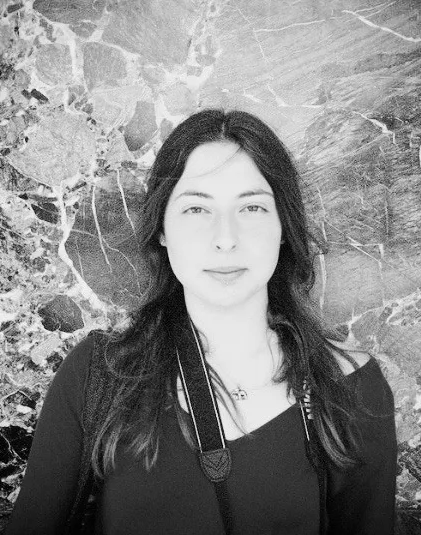
Madalena Vidigal
Madalena Vidigal holds a Bachelor of Architecture from the University of Porto (FAUP, 2016), an exchange program at the Mendrisio Academy (2015), and a postgraduate degree in Social and Sustainable Architecture (ESAP, 2021). Since 2017, she has worked in various areas of architecture—research, publishing, curation, and design—pushing professional boundaries through a variety of collaborations. Her previous collaborations include Porto Academy, Dafne Editora, Barbas Lopes Arquitectos, Duarte Belo, the Museu da Paisagem, and Porta33. In 2018, she led the donation of Rui Goes Ferreira's work to the Marques da Silva Foundation. Between 2019 and 2021, he contributed to the preservation of the Porto Santo School (1968) by architect Raúl Chorão Ramalho, leading to its rehabilitation (honorable mention in the 2022 Madeira Architecture Prize) and the exhibition “Escola da Vila – Construção de um Lugar Comum” (2021). Currently, he focuses on the role of architects in contemporary challenges through R&D at Horizonte Arquitectos and as part of the A-GRUPA Collaborative Urbanism Network.
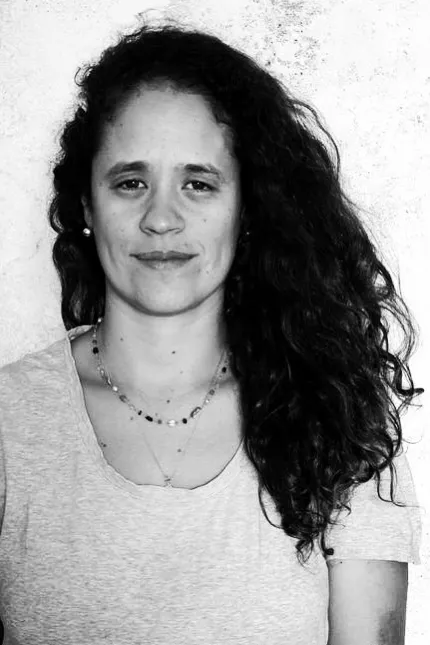
Sofia Costa Pinto
A designer with a degree from EBA/UFRJ (2006), she earned a master's degree in design from FAU/USP (2008). She worked in design offices and at TV Globo in Rio de Janeiro. She worked as an art director at the advertising agencies Santa Clara and LoduccaMPM. She currently lives in Lisbon, where she completed the ISP program at Maumaus (2013) and is pursuing a master's degree at FBAUL (Food and Technology University of Rio de Janeiro) on participatory artistic experiences and the occupation of public and deactivated spaces, with an exchange program at the School of Arts, Design and Architecture at Aalto University in Finland. She is the founder of EDA – Ensaios e Diálogos Associação (Enquiries and Dialogues Association), where she is responsible for the development, implementation, coordination, and management of sociocultural and artistic projects for the public and non-governmental sectors. As an executive producer, she has experience in drafting applications, project execution, budget control, activity reporting, and financial administrative monitoring. She has experience as a communications coordinator, having worked on developing and executing communication strategies, creating visual identities, and building brands for projects of various natures.
PARTNER ENTITIES